

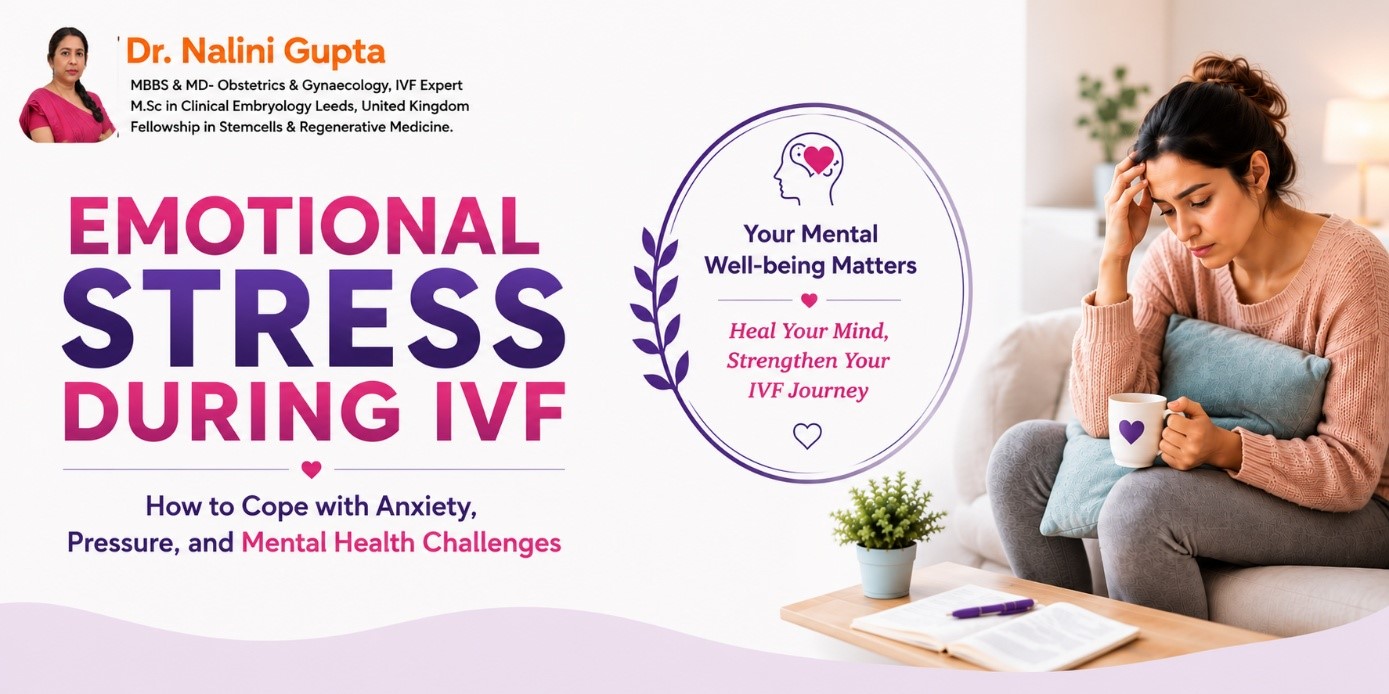
Nobody really prepares you for how mentally demanding IVF can be. The medical side gets plenty of attention: injections, scans, retrieval dates circled on calendars, but the emotional weight often sneaks up quietly and settles in before patients even realise it’s happening. Understanding this side of the journey matters just as much as understanding the biology, and it’s something worth talking about openly rather than pushing aside.
Why IVF Takes Such an Emotional Toll
Fertility treatment sits at this strange intersection of hope and uncertainty, and that combination alone is exhausting. Every scan carries weight. Every phone call from the clinic makes your stomach drop a little before you even answer. Add hormonal medication into the mix, which genuinely does affect mood and emotional regulation, and it becomes clear why so many patients describe IVF as one of the hardest things they’ve ever done, harder than they expected going in.
The Two Week Wait Problem
Ask anyone who’s been through IVF what the toughest part was, and there’s a good chance they’ll mention the wait between embryo transfer and the pregnancy test. Fourteen days of analysing every twinge, every cramp, every mood shift, wondering if it means something or nothing at all. This period tests patience unlike almost anything else in modern medicine, largely because there’s simply nothing to do but wait.
Pressure From Family and Social Circles
Well-meaning relatives asking “any good news yet?” at every family gathering rarely help, though they usually don’t realise the impact of the question. Social pressure, whether direct or implied, adds another layer of stress on top of an already demanding process. Learning to set boundaries, even gently, around these conversations protects mental energy that’s better spent elsewhere.
Relationship Strain
IVF doesn’t just affect the person undergoing treatment, it reshapes the dynamic between partners too. Scheduling life around appointments, managing financial stress, and navigating different coping styles can create friction even in strong relationships. Couples who make space for honest conversation, rather than silently carrying separate burdens, tend to come through the process more connected rather than less.
Coping Strategies That Actually Help
Small, consistent habits often do more than grand gestures during this time. Gentle movement like walking, journaling through difficult days, and maintaining at least a few normal routines all help create a sense of stability when everything else feels uncertain. Limiting time spent researching worst-case scenarios online also helps more than people expect, endless forums rarely offer comfort, mostly just more anxiety.
When to Seek Professional Support
Therapists who specialise in fertility-related stress understand this journey in a way friends and family sometimes can’t. There’s no weakness in seeking that support, quite the opposite actually. Patients who work through anxiety with a professional often report feeling more equipped to handle setbacks, whether that’s a cancelled cycle or a difficult diagnosis along the way.
Genetic Testing and Added Anxiety
For couples pursuing preimplantation genetic diagnosis, the emotional stakes climb even higher. Waiting on genetic screening results adds another layer of uncertainty on top of an already stressful process, and choosing a facility with clear communication and compassionate counselling becomes essential during this phase. Patients often search specifically for the Best PGD Clinic in South Extension precisely because genetic testing decisions carry such long-term weight, and having a team that explains results clearly, without rushing the conversation, makes a real difference to how manageable the stress feels.
Building a Support System
Whether it’s a partner, a close friend who’s been through something similar, or an online community that feels genuinely supportive rather than triggering, having people to lean on changes how sustainable the whole process feels. Isolation tends to amplify anxiety, while connection, even in small doses, tends to soften it.
Emotional wellbeing deserves as much attention as physical health during fertility treatment and that philosophy guides the care at Dr. Nalini Gupta Fertility Care. Patients are offered compassionate counselling and support at every stage of the journey to meet the anxiety, pressure and mental health challenges that come with IVF as seriously as the treatment itself.