

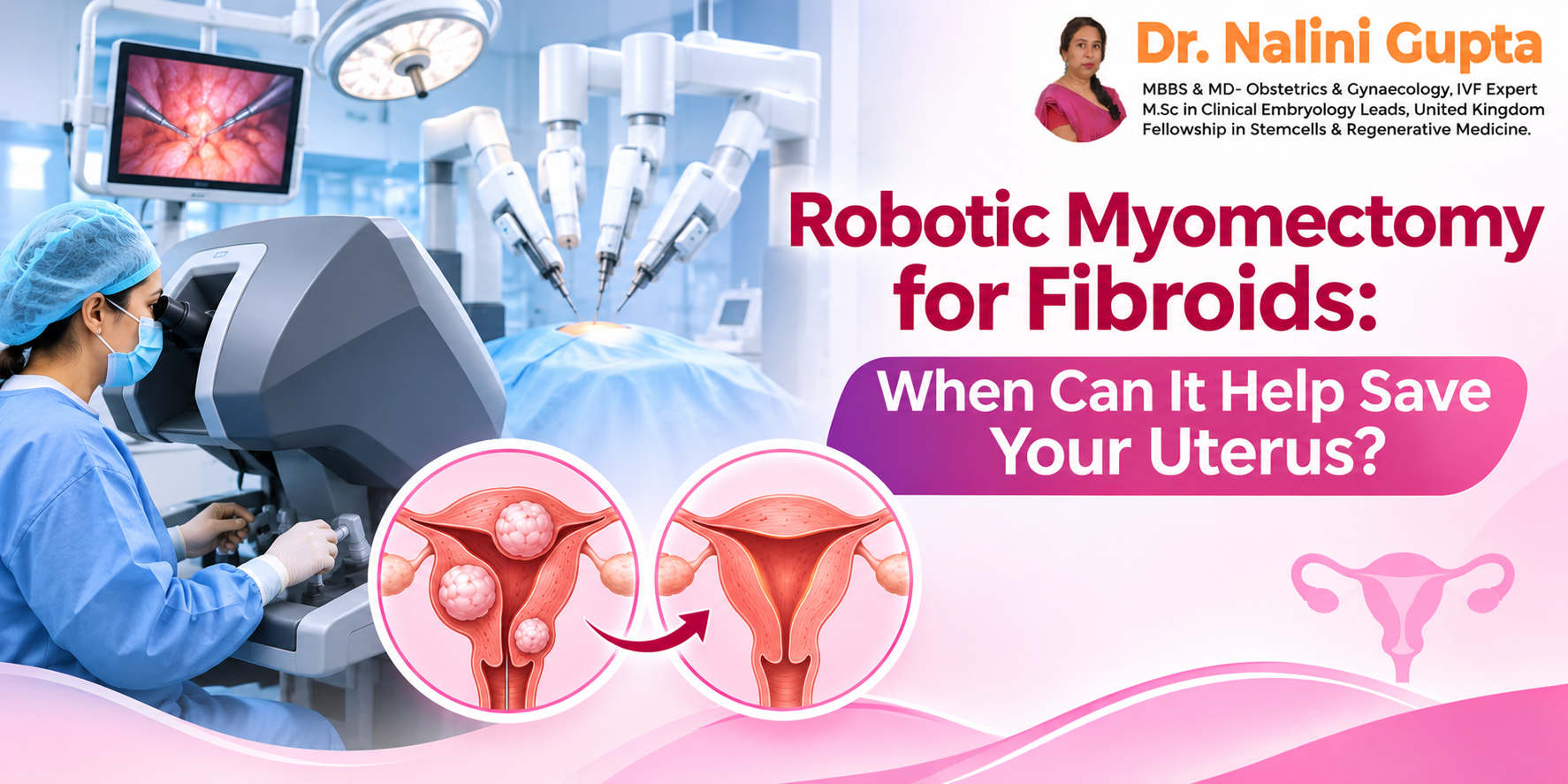
.“You have fibroids. We may need to remove the uterus.” Imagine hearing that at 32, when you still dream of a baby. It happens more than it should. The good news is that removing the uterus isn’t the only answer. For many women, there’s a surgery that takes out the growths and leaves the womb in place. Dr. Nalini Gupta, often called the best IVF doctor in Delhi, guides women through this decision every day.
First, what are fibroids?
Fibroids are non-cancerous growths in the muscle of the uterus. Some are tiny; some grow as large as a melon. Many women have them and never know. Others deal with heavy bleeding, pelvic pain, pressure on the bladder, constipation, a swollen belly or trouble getting pregnant.
Myomectomy vs. hysterectomy
A hysterectomy removes the uterus. A myomectomy removes only the fibroids and keeps the uterus intact. For women who want children or simply want to keep their own organs, that difference is huge. That’s the whole idea behind Uterus-Preserving Fibroid Surgery, and it’s why more women ask about it before agreeing to anything bigger.
What makes the robotic version different?
In robotic surgery, the surgeon sits at a console and controls fine instruments through a few small cuts. A 3D magnified camera gives a crystal-clear view. The robotic wrists rotate far beyond what a human hand can manage, which helps with delicate stitching of the uterine wall.
That’s where Robotic Myomectomy for Fibroids earns its reputation. Possible advantages include:
- Smaller incisions and less visible scarring
- Less blood loss in many cases
- Shorter hospital stay
- Faster return to daily life
- More precise suturing, which matters for future pregnancies
It isn’t magic, and it isn’t right for every patient. A very large fibroid burden, for instance, may still need open surgery.
When can it help?
You could be a candidate if:
- You want to conceive now or later
- Fibroids are causing heavy bleeding or pain
- Fibroids are distorting the uterine cavity and affecting implantation
- You’ve had miscarriages linked to fibroid location
- You want to avoid hysterectomy
- Medicines haven’t given enough relief
Fibroids inside or pressing into the cavity are especially relevant for fertility. Removing them can improve the chances of an embryo implanting, and this is where uterus-preserving fibroid surgery can change a woman’s whole plan.
What about the risks?
Every surgery carries some. Bleeding, infection, adhesions and, rarely, the need to convert to open surgery. Fibroids can also return over time. Another important point: after a myomectomy, doctors often advise waiting a few months before trying to conceive and may suggest a planned caesarean delivery depending on how deep the surgery went. Ask about this upfront.
Recovery, in plain terms
Most women go home within a day or two. Light activity picks up fast, but you’ll need a few weeks off heavy lifting and strenuous exercise. Pain is usually manageable with prescribed medicines. Follow-up scans check how well the uterus is healing.
Questions to ask your surgeon
- How many fibroids do I have, and where are they?
- Is robotic surgery right for my case, or would another approach suit better?
- How long before I can try for a baby?
- What are the chances of recurrence?
- Will I need IVF afterwards?
Don’t hold back. It’s your body and your future.
Don’t let fear make the choice for you
Hearing “remove everything” can feel final. Often it isn’t. A second opinion from a specialist focused on fertility and the uterus can reveal gentler options, and Robotic Myomectomy for fibroids may well be one of them.
Bring your scans, ask every question on your list and take your time. Patients looking nearby often name Dr. Nalini Gupta as the best IVF doctor in South Extension because she explains the options without pressure. Book a consultation and keep your choices open.