

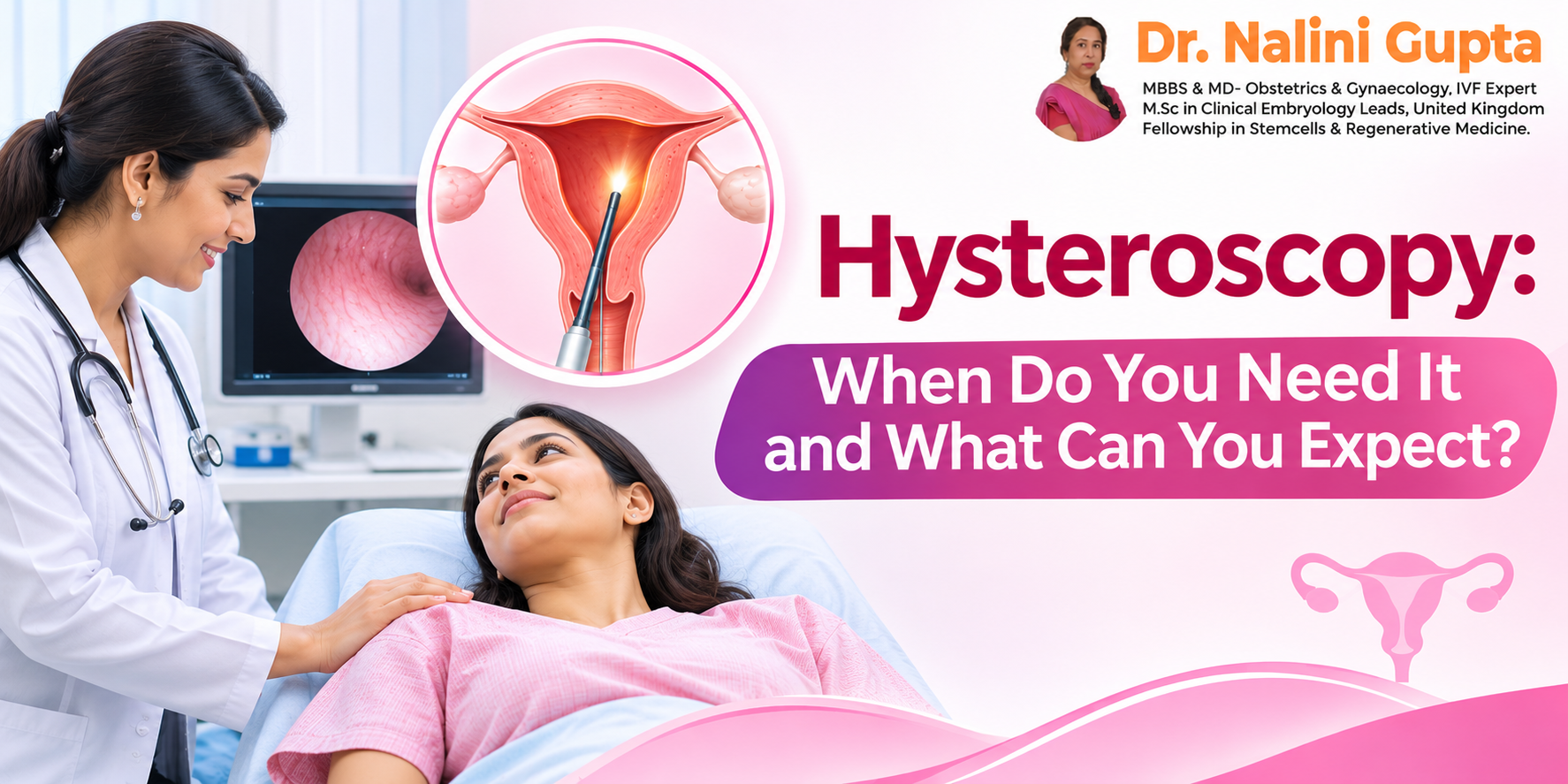
The word itself sounds intimidating. Hysteroscopy. Say it out loud, and it feels like something from a surgical textbook. But the idea behind it is wonderfully simple: a doctor takes a thin, lighted camera and looks inside your uterus directly. No guessing from scans. No wondering what’s hiding in there. Dr. Nalini Gupta Fertility Care in South Extension, which many couples search for as the best IVF treatment in Delhi, uses it often, and it answers questions other tests can’t.
What exactly is it?
A hysteroscope is a slim tube, about the width of a pencil, with a tiny camera at the tip. It goes in through the vagina and cervix, so there are no cuts on your belly. Saline or gas gently opens the uterine cavity so the doctor can see the lining clearly on a screen. Some are diagnostic, meaning a look-around. Others are operative, meaning the doctor can fix something in the same sitting.
When do doctors suggest it?
Wondering When Is Hysteroscopy Needed? Here’s a quick list of situations where doctors recommend it.
- Repeated IVF failures despite good quality embryos
- Recurrent miscarriages
- Unexplained infertility
- Abnormal bleeding, heavy periods or spotting between cycles
- Suspected polyps, fibroids inside the cavity or scar tissue
- A septum, which is a wall of tissue dividing the uterus
- An unclear finding on ultrasound or HSG
- Retained tissue after a miscarriage or delivery
Knowing the answer can save months of frustrating trial and error. A small polyp the size of a grain can quietly block implantation. You’d never feel it. A scan might miss it. The camera won’t.
Why it matters for fertility
An embryo needs a clean, healthy lining to settle into. Polyps, adhesions or a septum can make that spot unwelcoming. Removing them often improves the chances of a successful pregnancy, whether naturally or through treatment. Many clinics now check the cavity before an IVF cycle for this very reason.
How it’s done, step by step
The Hysteroscopy Procedure itself is short and usually done as a day case. Here’s what happens.
- You’ll be asked to fast for some hours if anaesthesia is planned.
- A short consultation confirms what’s being done and why.
- Mild sedation or anaesthesia keeps you comfortable. Some diagnostic checks need nothing more than light pain relief.
- The scope enters gently, and the doctor examines the cavity.
- If something needs removal, tiny instruments pass through the same scope.
- You rest for a while, then go home the same day in most cases.
The whole thing often takes 15 to 30 minutes. Quick, honestly.
Recovery and what you might feel
Mild cramps and light spotting for a day or two are common. Most women return to work within a day. Avoid intercourse and tampons until your doctor says it’s fine, and take any prescribed medicines on time. Call the clinic if you notice heavy bleeding, fever or severe pain that won’t settle.
Is it risky?
Complications are uncommon, though no procedure is entirely risk free. Infection, bleeding or a small injury to the uterus can happen rarely. After a hysteroscopy procedure, choosing an experienced team and following aftercare advice keeps these chances low.
A few thoughts before you decide
Feeling nervous? That’s normal. Ask your doctor why they recommend it, what they expect to find and what happens next. A good specialist answers without rushing you. If your doctor says you’re a candidate, ask when a Hysteroscopy is needed in your specific case, because the answer depends on your history, not on a checklist.
Ask whether your clinic checks the uterine cavity properly before starting any cycle. It matters more than most people realise. At Dr. Nalini Gupta’s clinic, that careful groundwork is part of why patients rate it among the best IVF treatments in South Extension. A short camera test now could spare you many painful cycles later.