

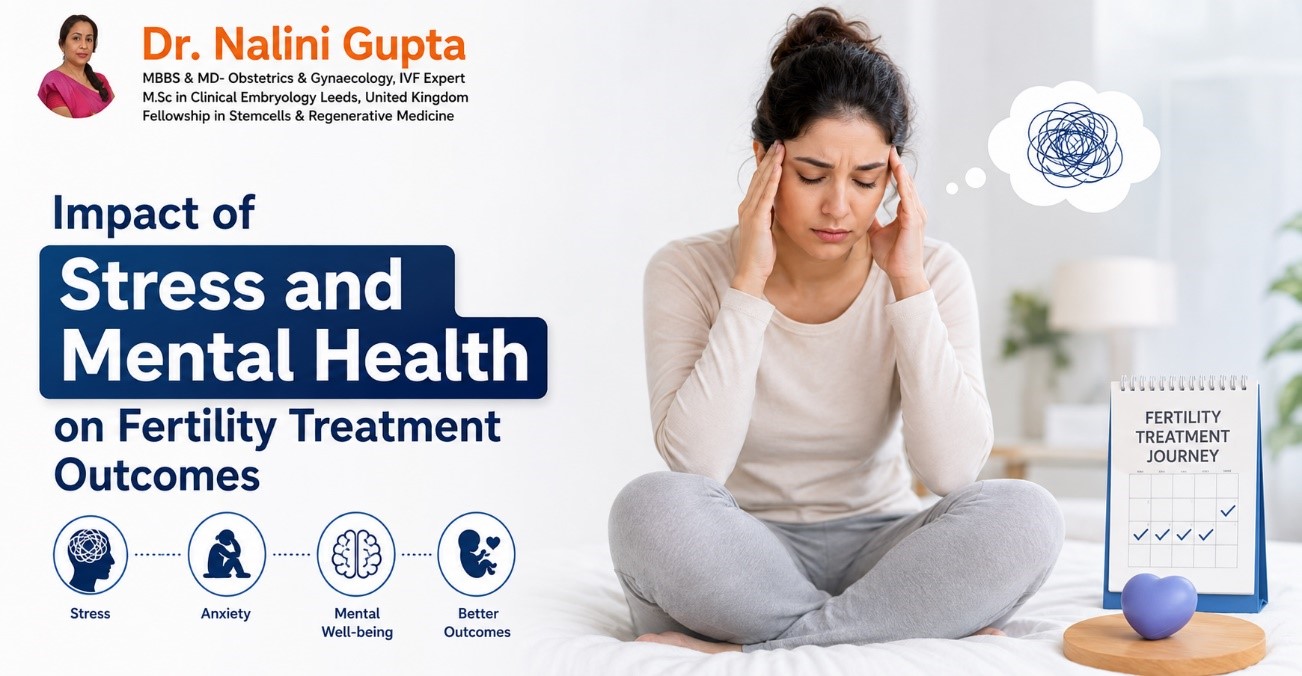
Anyone who has gone through fertility treatment knows it isn’t just physically demanding; it’s emotionally exhausting too. The injections, the scans, the two-week wait after every cycle, the uncertainty that hangs over each appointment – all of it takes a toll that’s rarely talked about as openly as it should be. And increasingly, research is pointing to something patients have long suspected: the mind and the body aren’t as separate as fertility treatment sometimes treats them.
Understanding how stress affects fertility treatment success and IVF outcomes has become an important part of modern fertility care, not just an afterthought.
The Biological Link Between Stress And Fertility
Chronic stress triggers a cascade of hormonal changes in the body, particularly involving cortisol, that can interfere with the delicate balance needed for ovulation, implantation and hormonal regulation. While a single stressful week isn’t going to derail a treatment cycle, sustained, high-level stress over months can genuinely disrupt the reproductive system’s normal rhythm.
Why Fertility Treatment Itself Is So Stressful
There’s a certain cruelty to the fact that the very process meant to help conception often becomes a major source of anxiety. Repeated appointments, financial pressure, the emotional rollercoaster of hope and disappointment with each cycle, and often the isolation of not being able to talk openly about the experience, all combine to create a uniquely heavy mental load.
Add in family expectations or unsolicited advice from well-meaning relatives, and it’s no surprise that many patients describe fertility treatment as one of the most emotionally difficult periods of their lives.
What The Research Suggests
Several studies have looked closely at how stress affects fertility treatment success and IVF outcomes, and the pattern is fairly consistent: women reporting high stress levels during IVF cycles tend to show comparatively lower success rates than those with better managed stress, although researchers are still working out exactly how much of this is direct biological impact versus indirect effects, like stress affecting sleep, appetite or treatment adherence. Either way, the relationship is real enough that most fertility specialists now consider mental health support a genuine part of treatment, not a nice to have extra.
Building Mental Health Into The Treatment Plan
A few approaches have shown real promise in helping patients manage the emotional weight of treatment:
Counselling and therapy, ideally with someone experienced in fertility-related grief and anxiety, give patients a space to process what they’re going through without judgement. Mind-body practices like yoga, meditation and controlled breathing exercises have also been shown to lower cortisol levels and improve overall emotional resilience during treatment. Peer support groups, where patients connect with others going through similar experiences, often help reduce the isolation that makes fertility struggles feel so much heavier. And open communication with the treating doctor about anxiety or emotional strain allows the clinical team to adjust pacing, timing or support resources accordingly.
A More Holistic Approach To Fertility Care
Fertility treatment has traditionally focused almost entirely on the physical side: hormone levels, follicle counts, embryo quality. But there’s a growing recognition that ignoring the emotional side of the journey does patients a disservice. Treating mental wellbeing as seriously as any lab report matters, because in many ways, it is just as central to the outcome.
Patients who feel supported, informed and less alone in the process tend to navigate treatment with more resilience, regardless of how the numbers eventually turn out.
Getting The Right Support
If you’re currently undergoing fertility treatment and feeling overwhelmed, know that this is an incredibly common experience, not a personal failing. Dr. Nalini Gupta Fertility Care, with clinics in South Extension, Mandawali and Narela, takes a patient-centred approach that goes beyond the clinical side of treatment, recognised as the Best Fertility Clinic in Delhi by many patients precisely because of that balance between medical expertise and genuine emotional support throughout the journey.
Frequently Asked Questions
Fertility treatment can be highly stressful, but current evidence does not conclusively show that people with higher stress levels have a lower chance of having a baby through IVF. Emotional support remains important for overall well-being and coping during treatment.
There is no clear evidence that everyday stress alone prevents an embryo from implanting. Implantation depends on several factors, including embryo quality, age, uterine health and the treatment protocol.
Anxiety has not been conclusively shown to directly reduce egg quality. Age, ovarian reserve, genetics and certain medical conditions generally have a more established influence on egg quality.
Counselling, support groups, relaxation exercises, adequate sleep, gentle physical activity and open communication with the fertility team may help. These approaches support emotional health but should not be presented as guaranteed ways to improve pregnancy rates.
Counselling may be helpful if anxiety, low mood, relationship strain or treatment-related uncertainty becomes difficult to manage. Fertility counselling provides a confidential space to discuss these concerns before, during or after treatment.